
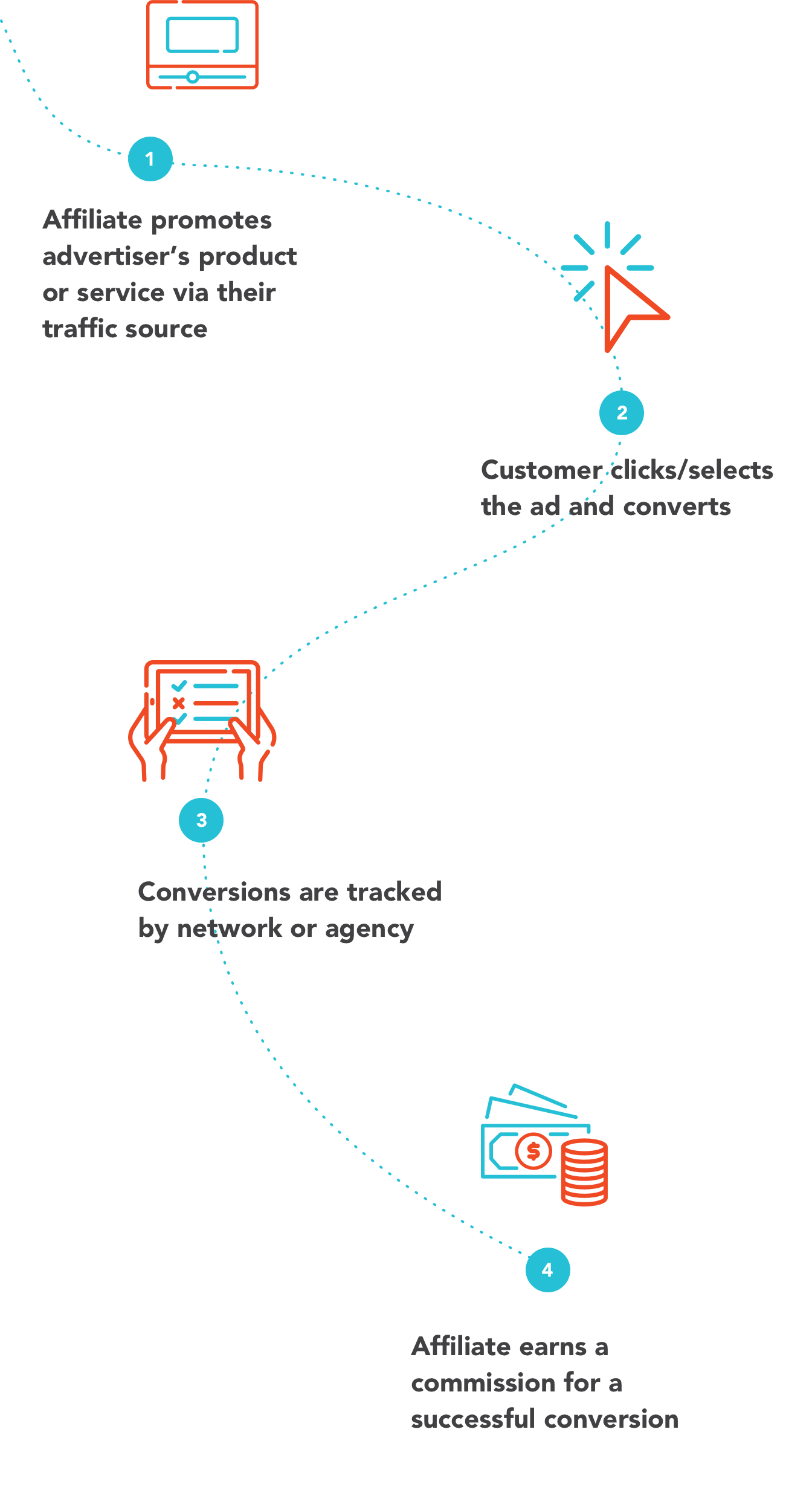
Paid advertising is a powerhouse in CPA (Cost Per Action) marketing that helps you convert quickly. Having run dozens of projects with paid advertising and having experience running his own CPA campaigns, this guide from Blue Media Network will take you from the basics of using paid advertising to sophisticated strategies that will maximize your profits and reach. By understanding paid advertising, you gain the ability to generate targeted traffic with impressive speed and precision. You will dramatically increase your ROI and marketing performance, whether you are a beginner or a seasoned marketer. Let’s dive in!
Why Paid Ads Are the Fastest Way to Scale CPA Marketing
Paid ads are regarded as the quickest route to scaling CPA marketing due to their ability to deliver immediate traffic and results. Unlike organic methods, which can take months to flourish, paid ads can place your offer in front of your target audience within minutes. Here’s how they stand out:
- Rapid Implementation: Platforms like Google Ads and Facebook Ads allow for quick setup and launch of campaigns. This ease of use is crucial for marketers eager to test and iterate on their offers without long waiting periods.
- Precision Targeting: The ability to focus on specific demographics, interests, and behaviors means your ads reach those most likely to convert. This targeted approach ensures a higher return on ad spend (ROAS).
- Real-Time Optimization: Paid ads offer analytics dashboards that provide live insights into your campaigns. You can adjust bids, creatives, and targeting on the fly based on these insights, ensuring your campaign remains profitable and relevant.
- Scalability: Successful paid ad campaigns can be effortlessly scaled by increasing the budget or expanding to new markets. This flexibility allows continuous growth without diminishing returns, a common issue in organic marketing.
In essence, paid advertising in CPA marketing delivers a combination of speed and control unmatched by other traffic methods, making it ideal for those looking to rapidly enhance their marketing reach.
Before you start running ads, make sure you’re using a trusted CPA network. Check out our Best CPA Networks list to avoid wasting money.
How Paid Ads Differ from Free Traffic in CPA Marketing
When it comes to CPA marketing, understanding the differences between paid ads and free traffic methods such as SEO and social media is pivotal. The distinction lies mainly in speed, reliability, and control over your outreach efforts.
- Time Efficiency: Free traffic takes considerable time and effort to establish. SEO, for example, requires consistent content updates and backlink strategies that might take months before yielding significant results. On the other hand, paid ads offer immediate visibility to your target audience, speeding up the lead generation journey.
- Control Over Audience: Paid ads gift marketers the ability to focus on specific audience segments via demographic and interest targeting. Contrasting this with free traffic, where control is limited and reliant on organic reach algorithms, paid ads give you the reins for who sees your offers.
- Cost Predictability and Management: Paid ads have defined budgets, allowing for a predictable spend which can be adjusted based on performance. Free traffic lacks this consistency, with eventual results and associated efforts harder to quantify.
- Data and Insights: With tools built into platforms like Facebook Ads, marketers can gather detailed metrics like CTR (click-through rate), CPA (cost per acquisition), and conversion rates. Free methods generally lack this depth of real-time data, making it difficult to optimize strategies effectively.
Through paid ads, marketers gain the ability to act swiftly and decisively in the CPA marketing arena, continuously analyzing and improving their campaigns for optimal results.
Want to optimize your CPA campaigns for maximum profits? It all starts with the right traffic! Discover the Best Traffic Sources for CPA Marketing and see which channels are driving the highest ROI in 2025.
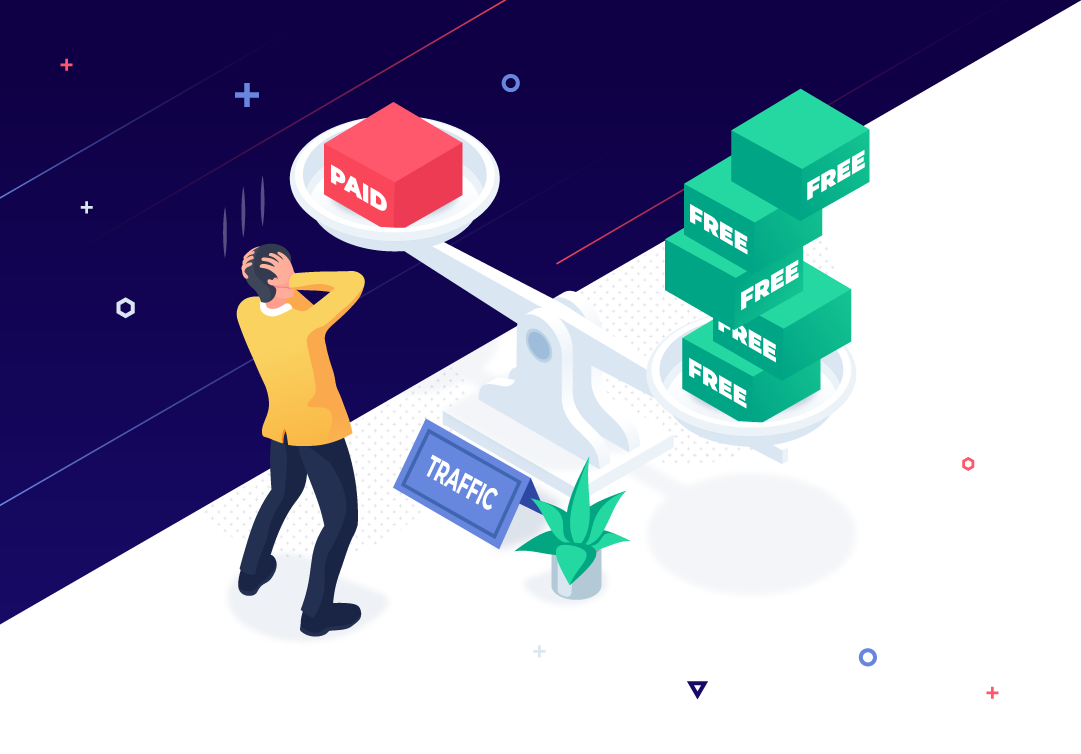
Why Paid Ads Work Well for CPA Marketing
Paid ads excel in CPA marketing by providing instant traffic and greater targeting precision compared to free traffic. While free methods rely on gradual audience building, paid ads deliver immediate visibility and control, reaching ideal customer segments swiftly and effectively.
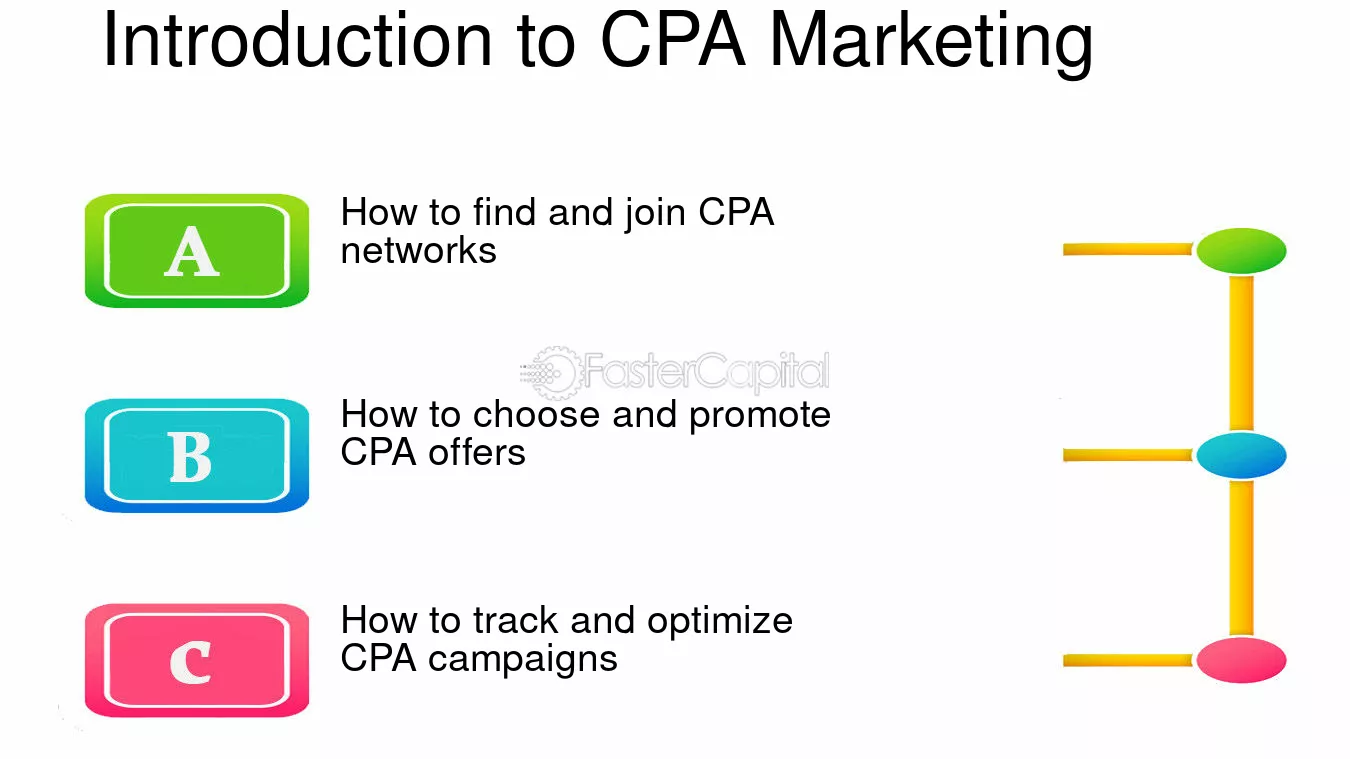
Instant Traffic vs. Waiting for Organic Results
One of the most notable advantages of utilizing paid ads for CPA marketing is the ability to access instant traffic, as opposed to the prolonged waiting periods associated with organic methods. This immediacy in user engagement is crucial for rapidly testing and refining marketing strategies.
- Urgency in Leads: With paid ads, you can immediately bring users to your landing pages. For time-sensitive campaigns, like those promoting contests or seasonal offers, this speed is invaluable.
- Testing and Feedback Loops: Having access to immediate user data allows for swift A/B testing of ad creatives, headlines, and calls to action (CTA). Adjustments can be made in real-time based on performance metrics such as conversion rate and cost per lead.
- Competitive Edge: With instant traffic, you can stay ahead in fast-paced industries where organic SEO may lag due to ranking time.
- Projected Outcomes: Paid ads provide a predictable volume of traffic and data, allowing marketers to make informed decisions based on statistical confidence rather than speculative measurements.
By contrast, organic strategies often require content updates, building links, and engaging with an audience over an extended period before showing tangible results. Paid strategies eliminate this waiting game, enabling marketers to act dynamically and maximize their response to market trends and opportunities.
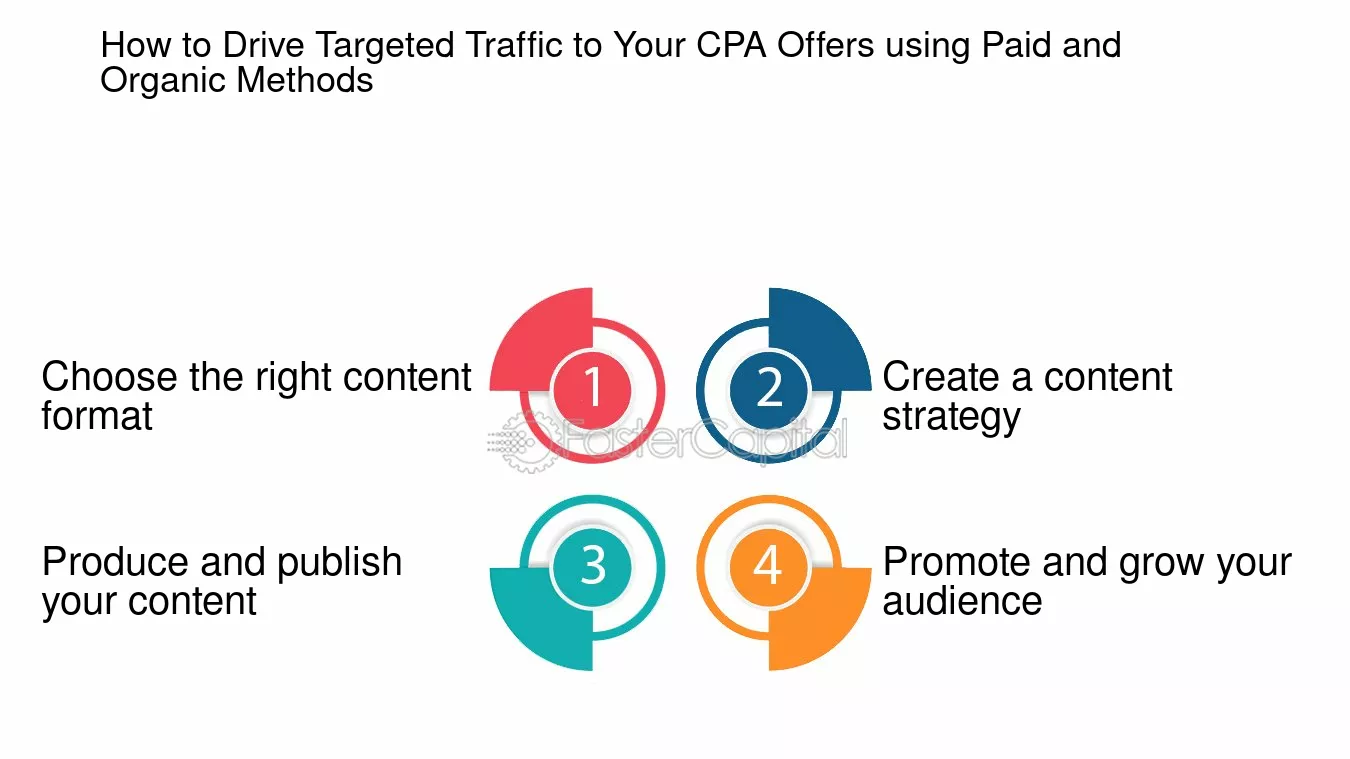
Better Targeting with Higher Conversions
In CPA marketing, better targeting translates directly into higher conversion rates. The sophisticated targeting options offered by platforms like Facebook Ads and Google AdWords provide unparalleled opportunities for marketers to refine their audience engagement strategies.
- Advanced Demographics: Advertising platforms allow precise targeting based on demographics such as age, gender, and income, ensuring your ads reach the most relevant audience segments.
- Behavioral Insights: Target audiences based on specific behaviors like online shopping habits or previous interactions with your brand. This deepens engagement by delivering content that resonates with users’ current interests.
- Interest-Based Targeting: Use insights into audience interests to tailor your ads. An entity selling eco-friendly products, for instance, might target individuals interested in sustainability.
- Lookalike Audiences: Platforms allow the creation of lookalike audiences based on existing customer data, expanding reach to similar users who are likely to convert.
Paid ads thus empower marketers to maximize their return on investment by reducing spend wastage and enhancing audience alignment. When your message resonates exactly with the needs and desires of those it reaches, conversion rates naturally soar.
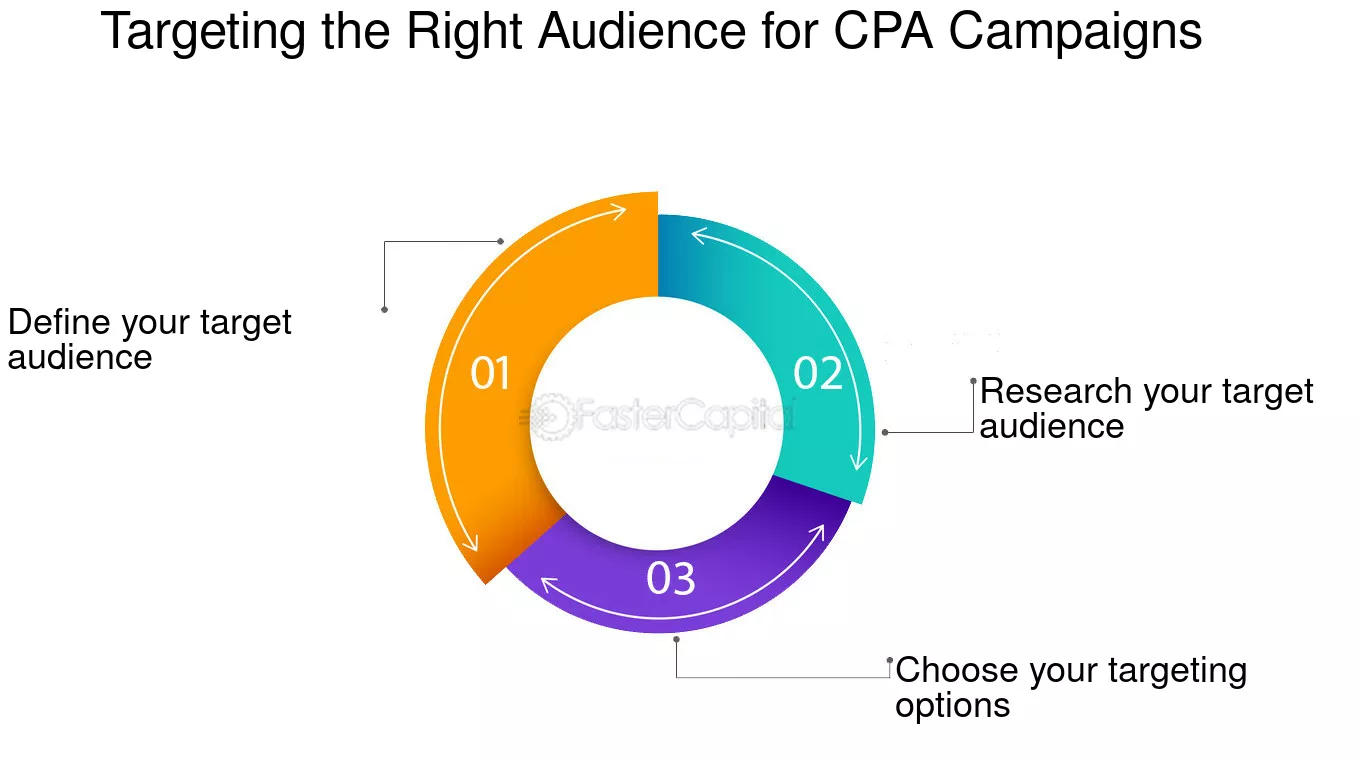
The Ability to Scale Successful CPA Campaigns
Scale is the holy grail of successful CPA campaigns, and paid ads excel at this by providing the necessary tools and features.
- Budget Flexibility: Once a campaign proves profitable, increasing the ad budget can scale exposure significantly. Paid platforms allow easy adjustment of budget allocations to capitalize on high-performing strategies.
- Geographic Expansion: By analyzing current campaign success, marketers can identify new geographic locations to target, effectively replicating successful results on a larger scale.
- Creative Variations: Scaling a campaign involves testing various ads and creatives. Robust platforms support numerous ad iterations to ensure ongoing engagement as audience preferences evolve.
- Algorithm Optimization: Platforms optimize ad delivery based on performance data, allowing for smart scaling decisions. Algorithms work to improve delivery to segments most likely to convert further enhancing scalability potential.
Paid ads, therefore, provide a structural advantage when scaling CPA campaigns, supporting expansive growth strategies that align with proven methods and audience insights.
Which CPA Offers Work Best with Paid Traffic? (Lead Generation, App Installs, Finance, eCommerce.)
When deciding on CPA offers that pair well with paid traffic, certain niches often yield superior results, leveraging the strengths of this traffic generation method:
- Lead Generation: This category benefits from paid ads due to precision targeting and strong CTAs. Reaching audiences ready to take action is crucial, making platforms like LinkedIn and Facebook essential.
- App Installs: With the needs of developers and app companies to drive high download volumes, platforms like TikTok and Instagram offer engaging ad formats that resonate well with younger audiences.
- Finance: The finance sector often features high-conversion offers where precision targeting makes a significant impact. Google Ads enable top search placements, drawing in leads actively seeking such products.
- eCommerce: Paid ads help eCommerce by showcasing products to target demographic right when their intent to buy is high. Retargeting users who abandon carts or visit product pages enhances conversion probabilities.
Each of these niches aligns naturally with paid ads’ capabilities to harness tightly controlled targeting, scalability, and immediate traffic benefits.
Don’t waste ads budget on low-quality offers! Join the Best CPA Networks that support high-ROI paid ad campaigns.
Best Paid Traffic Sources for CPA Marketing
The myriad benefits of paid ads for CPA marketing shine through when utilizing targeted traffic sources. These sources offer platforms where content can be tailored specifically to audience interests and behaviors, enhancing ad relevance and boosting conversion rates.
Facebook Ads (Best for CPL & Lead Generation Offers)
Facebook Ads stands out as an ideal platform for Cost Per Lead (CPL) and lead generation offers. Its robust targeting and vast user base make it a versatile option for reaching potential leads effectively.
- Diverse Audience Reach: With over 2.8 billion monthly users, Facebook offers unprecedented reach across various demographics, making it easier to align offers with interested audiences.
- Ad Format Variety: Facebook supports multiple ad types such as carousel, single image, and video ads, allowing marketers to choose the best suited for their targeted content.
- Advanced Targeting Options: Utilize its extensive targeting features to zero in on behaviors, demographics, interests, and even life events, enhancing ad relevance and increasing engagement.
- Lead Ads: The feature allows for form submissions without leaving Facebook, streamlining the sign-up process and reducing friction for potential leads.
Ultimately, Facebook Ads offers a potent combination of reach and precise targeting capabilities that make it the leading choice for campaigns aiming to generate quality leads effectively.

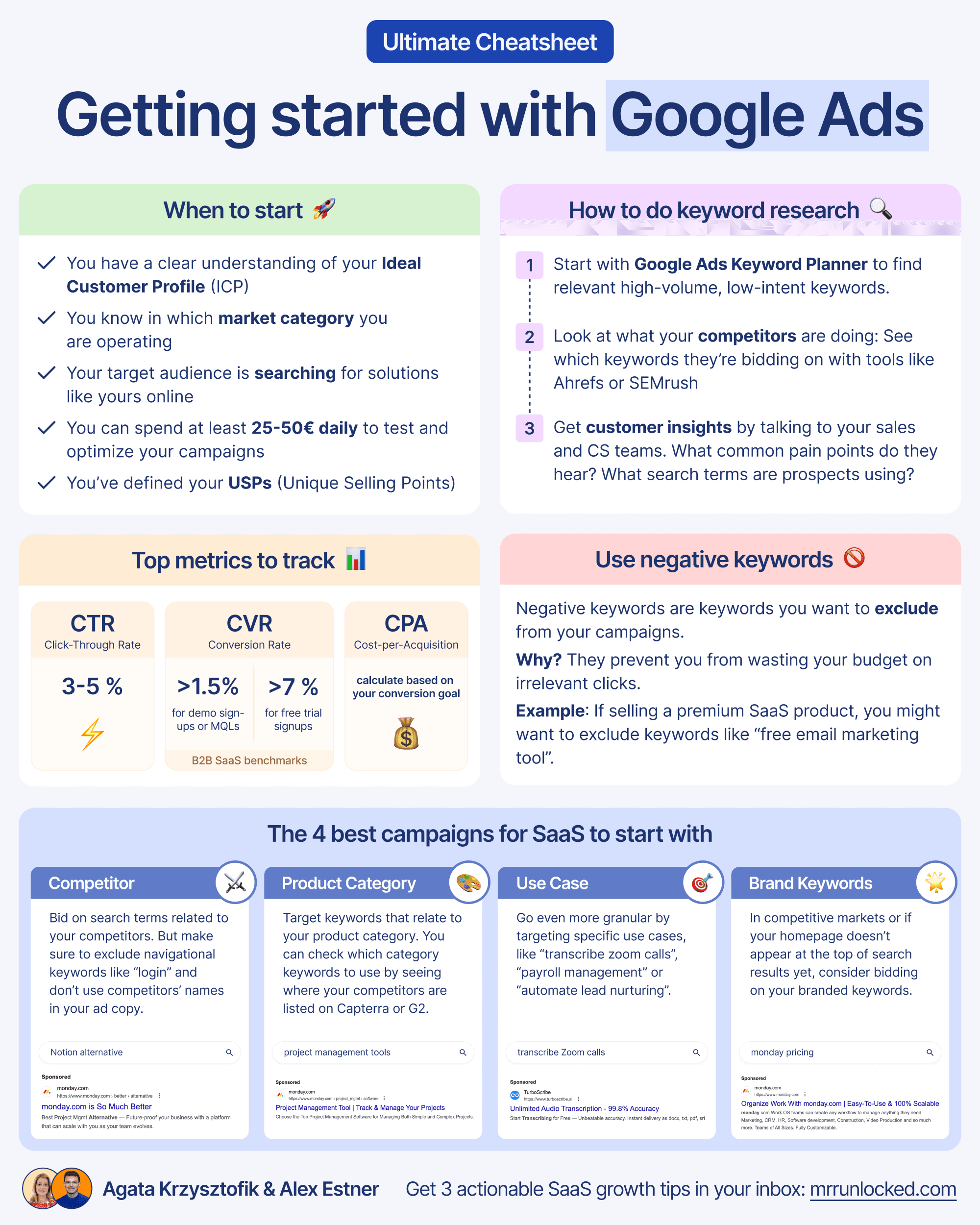
Google Ads (Best for Search-Based CPA Offers)
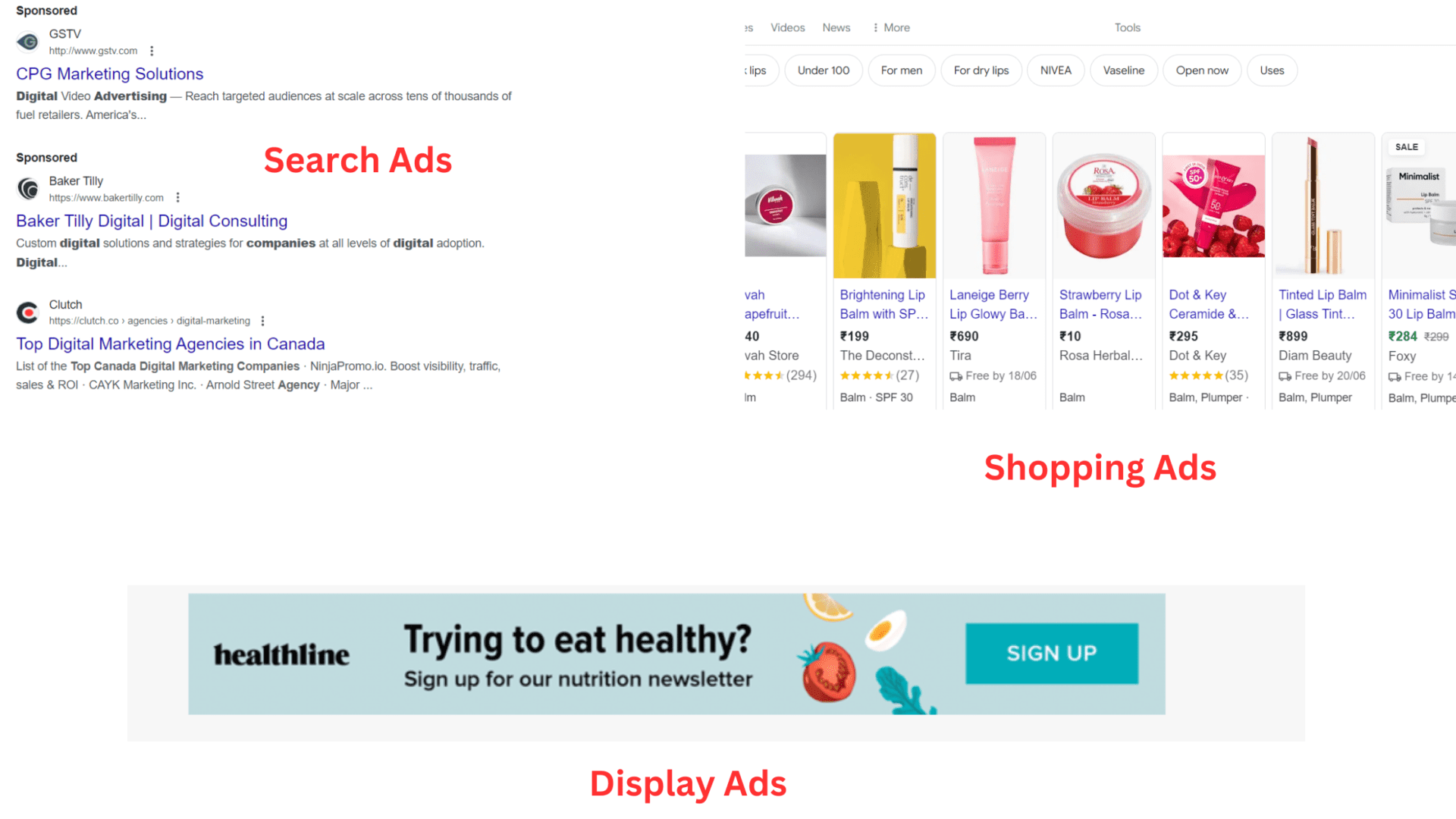
Google Ads is best suited for search-based CPA (Cost Per Action) offers, leveraging the intent-driven nature of the platform’s users. By aligning ads with specific search queries, advertisers can target audiences actively seeking their services or products.
- Keyword Targeting: Google Ads thrives on its robust keyword targeting capabilities, allowing advertisers to bid on terms that align precisely with what users are searching for. This ensures that the ads are displayed to high-intent potential customers.
- Ad Customization: Utilizing features like Ad Customizers enhances ad relevancy by dynamically adjusting according to search terms or the user’s location, reinforcing the importance of personalized user experiences in driving conversions.
- Performance Tracking: Google Ads provides comprehensive analytics that helps marketers assess campaign performance through metrics like CTR (Click-Through Rate), conversion rates, and Quality Score.
- Audience Segmentation: Target specific audience groups based on demographic data or past interactions, allowing for refined control over who sees your CPA offers.
Through Google Ads, marketers tap into a high-conversion environment where every click reflects user interest, significantly boosting the potential success of CPA offers.
Native Ads (Best for Health, Finance & Sweepstakes Offers)
Native ads offer a seamless way to integrate ads with content, making them particularly effective for health, finance, and sweepstakes offers due to their less intrusive nature.
- Content Integration: Native ads appear as recommended articles or content, allowing them to blend with the hosting site’s content effortlessly, imparting a natural viewing experience.
- High Engagement Rates: The non-disruptive format of native ads typically results in higher engagement rates compared to more obtrusive ad types, which might disrupt the user’s browsing experience.
- Platform Options: Platforms such as Taboola and Outbrain are staples in native advertising, providing vast distribution networks to reach diverse audiences across premium websites.
- Cost-Effective Reach: Due to their extensive network, native ads often offer considerable reach at a lower cost than traditional advertising methods, driving efficient traffic to CPA offers.
These qualities make native ads exceptional for sectors that demand trust and refined audience engagement without overt promotional tactics.
Push Ads & Pop Ads (High-Volume, Low-Cost CPA Traffic)
Push-and-pop ads present a viable strategy for generating high-volume, low-cost traffic in CPA marketing. By capitalizing on their nature of high delivery rates, these ad types can significantly expand their reach.
- Direct Notifications: Push ads send direct notifications to users’ desktops or mobile devices, maintaining user interaction with concise messages that have high visibility.
- Expanded Ad Reach: Pop ads can effectively occupy new segments by opening in separate browser tabs, reaching users who might not typically encounter such CPA offers.
- Affordability: Both push and pop ads generally have a lower cost-per-click (CPC) or cost-per-view (CPV) compared to other paid advertising channels, making them cost-effective components of wider marketing strategies.
- Ad Networks: Networks such as PropellerAds provide effective platforms for executing these ad types with simplified setups.
Push and pop ads, by virtue of their high-volume capabilities, are particularly suited to campaigns where the goal is broad visibility at a lower cost.

TikTok & Snapchat Ads (New Trends in CPA Marketing)
TikTok and Snapchat ads have emerged as disruptive forces in CPA marketing, especially popular among the younger demographics who dominate these platforms. Embracing the latest trends and features offered by these apps can remarkably bolster your marketing strategies.
- Influencer Collaborations: Partnering with influencers aligns your CPA offers with trustworthy content creators who resonate with a wide audience, thereby magnifying reach and trust.
- Engaging Ad Formats: TikTok’s In-Feed Ads and Snapchat’s Snap Ads, with their visual appeal and integration into user content, ensure greater engagement rates and ad recall.
- Platform-Specific Features: TikTok offers features like Hashtag Challenges to drive user-generated content, while Snapchat’s AR (Augmented Reality) Filters provide interactive experiences for greater user participation.
- Youth-Centric Appeal: Both platforms cater predominantly to younger audiences, providing access to a demographic that values social engagement and digital interaction.
By leveraging these modern platforms, CPA marketers can target trends that drive innovation and consumer engagement, creating advertisements that are both interactive and effective.
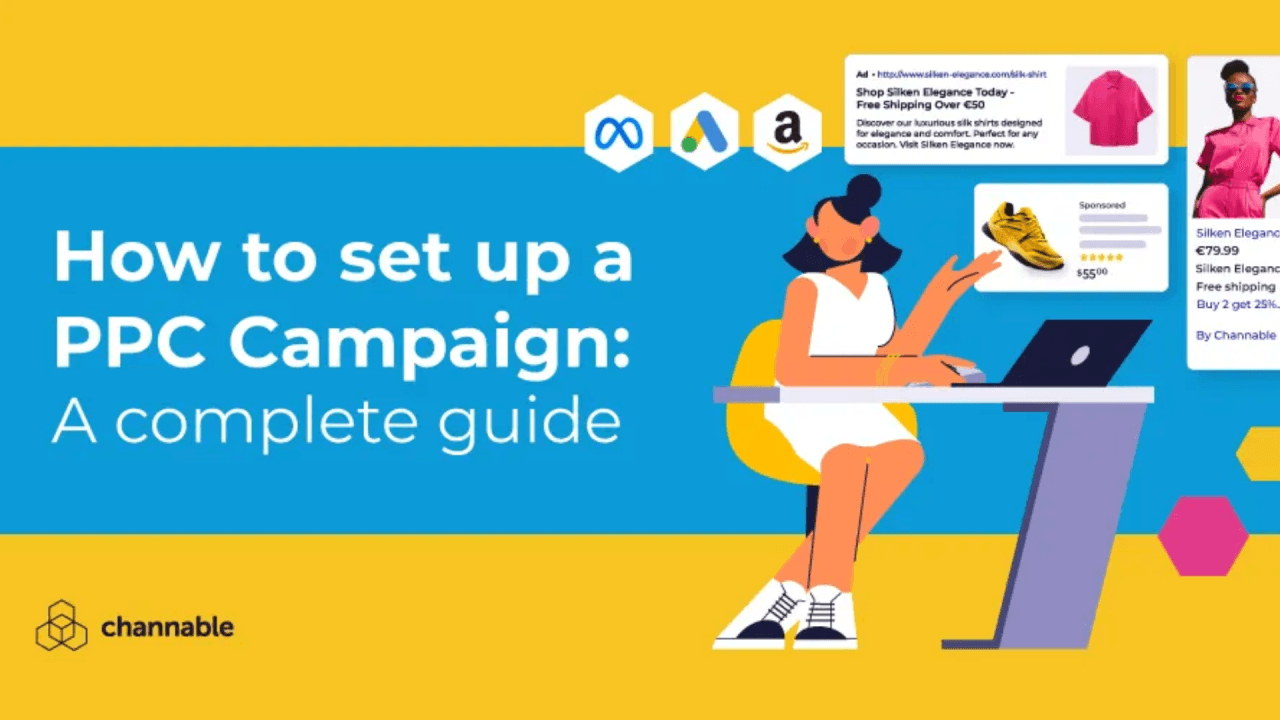
Step-By-Step Guide to Setting Up a Paid Ad Campaign for CPA Offers
With the best traffic sources identified, the next phase involves crafting a structured approach to setting up a CPA ad campaign. By following a methodical process, you can maximize your campaign’s efficiency and success rates.
Step 1 – Choose the Right CPA Offer for Paid Traffic
The initial step in launching a successful CPA campaign involves selecting the right offer. This choice is pivotal as it lays the foundation for all subsequent marketing efforts:
- Audience Relevance: Ensure the offer aligns with your target audience’s interests, enhancing the likelihood of conversion and satisfaction.
- Payout Structures: Analyze the offer’s payout structure to assess profitability. Ensuring that the conversion rates are in line with the payouts can exemplify the offer’s viability.
- Performance Trends: Look for trending offers within your niche, consulting with your affiliate manager for insights into top-performing conversions.
- Compliance Check: Verify that the offer complies with host platform regulations, avoiding any content likely to result in ad disapprovals or account suspension.
Carefully evaluating these facets ensures that the chosen offer has a high probability of generating favorable returns, forming the cornerstone of a results-driven CPA campaign.
Step 2 – Select the Best Paid Traffic Source
Choosing the appropriate paid traffic source is the next crucial step. This selection maximizes the compatibility between your offer and the intended audience:
- Research Platforms: Delve into available traffic sources such as social media (Facebook, Instagram), search engines (Google Ads), and networks (Native Ads).
- Medium Suitability: Match the traffic source with the CPA offer’s nature; visually appealing offers excel on platforms like Instagram, while data-driven offers might thrive on Facebook or Google.
- Cost Evaluation: Weigh the cost against potential conversion rates, prioritizing cost-effective sources to balance cost/reach advantages.
- Testing Strategy: Start with small ad budgets while testing various channels, optimizing based on metrics, and focusing on those driving quality traffic.
Selecting the right traffic source streamlines the path to targeted audiences, bolstering conversion prospects through well-aligned methodologies.

Step 3 – Create a High-Converting Landing Page
Once the CPA offer and traffic source are established, crafting a high-converting landing page becomes a critical endeavor.
- Goal Definition: Clearly define the landing page’s purpose, whether it’s for sign-ups, purchases, or another specified action, using decisive CTAs (Calls to Action).
- Attention-Grabbing Headline: The headline should concisely communicate the offer’s value, drawing users in with emotional or informational appeal.
- Social Proof Elements: Integrate testimonials, case studies, or trust badges to bolster credibility, building trust as users evaluate your offer.
- Responsive Design: Ensure the landing page adapts to various devices, maintaining usability and speed, optimizing all user interactions.
- Analytics Implementation: Integrate robust analytics tools to track engagement, conversions, and user paths, facilitating continual adjustments for peak performance.
A compelling landing page is indispensable in driving conversions, serving as the bridge that connects users’ curiosity to meaningful action.

Step 4 – Set Up Tracking & Analytics
Setting up comprehensive tracking systems ensures that vital performance metrics are diligently recorded and analyzed:
- Tool Selection: Employ tools like Google Analytics, Facebook Pixel, or independent platforms such as Voluum to capture accurate data about user behavior and interactions.
- Conversion Goals: Establish defined conversion goals tailored to the campaign’s objectives, mapping consumer journeys and pinpointing any drop-off points.
- Regular Monitoring: Make data-driven decisions by regularly reviewing analytics outputs, adjusting campaigns in response to identified trends or anomalies.
- Optimization Protocols: Aid campaign improvements through consistent monitoring of KPIs, scrutinizing which performance dimensions require recalibration.
Through intuitive tracking and analytics, marketers gain a dynamic lens into campaign realities, equipping them with actionable insights crucial for sustained success.
Step 5 – Launch & Test Your CPA Ad Campaign
With all elements in place, launching your CPA ad campaign becomes a strategic action:
- Initial Budget: Set a manageable initial budget, allowing you to test the waters without overextending resources initially.
- Creative Variations: Utilize A/B testing to experiment with different ad elements, including visuals, messaging styles, and placement options.
- Key Metrics Analysis: Pay close attention to CTRs, conversion rates, and CPA figures, systematically diagnosing what works within your test phase.
- Iterative Adjustments: Implement daily or weekly tweaks based on gathered data until an efficient ad strategy takes shape.
By treating the launch as a trial and error process, you preserve the flexibility to refine strategies, ultimately creating an optimized advertising approach catered to audience and offer dynamics.
Step 6 – Scale Up Winning CPA Ad Campaigns
Upon identifying ad campaigns with consistently positive ROI, the process of scaling can begin:
- Budget Enhancement: Gradual budget increases ensure scaling doesn’t impede prior campaign efficiency. Monitoring is essential as spend scales upward.
- Multi-Channel Exploration: Diversifying into new traffic sources such as influencer collaborations or other networks fosters expanded reach.
- Automated Adjustments: Utilize programmatic ad management solutions that adapt millisecond by millisecond in response to real-time campaign performance indicators.
- Personalization Boost: Implement dynamic creative optimizations to tailor ads for different audience subsets, reinforcing campaign impact through personalized messaging.
Scaling should be the reward for disciplined campaign evaluation, where increased efforts are met with simultaneous increases in performance and conversion outcomes.
Common Mistakes to Avoid When Running Paid Ads for CPA Marketing
Setting up a structured CPA ad campaign is just the beginning. To safeguard your efforts, awareness of potential pitfalls is crucial. Avoiding these common mistakes keeps your CPA marketing endeavors on track, optimizing for stability and potential growth.
Promoting Offers That Aren’t Ad-Friendly (Avoid Getting Banned)
Navigating the landscape of what’s considered ad-friendly is paramount in maintaining compliance with advertising platforms:
- Ad Guidelines Familiarity: Delve deep into understanding specific platform policies, knowing which claims, images, or strategies could disqualify your campaign.
- Offer Selection: Choose offers with language and value propositions aligning strictly with platform guidelines to prevent issues such as ad disapproval or account suspension.
- Testing: Implement alternative creatives and messaging forms initially before widespread rollout to gauge platform tolerance levels.
By proactively avoiding these pitfalls, marketers enhance compliance and longevity within advertising platforms without facing reduction in ads’ operative scope.
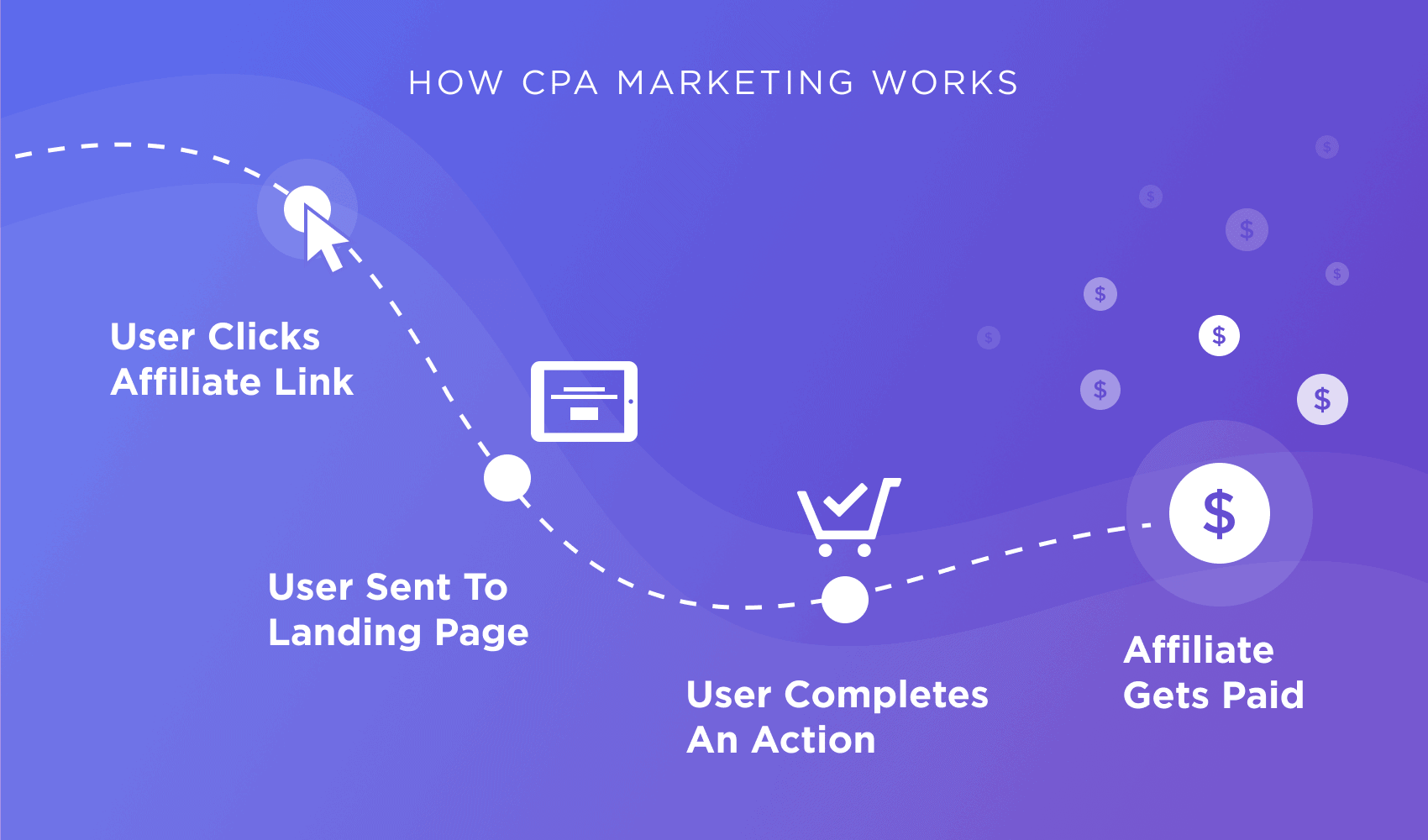
Not Using Tracking Tools to Analyze Performance
Failure to integrate tracking tools effectively into campaigns can result in missed opportunities for optimization and enhancement.
- Comprehensive Data Collection: Ensure tracking across multiple dimensions audience interaction, clicks, and retargeted actions to form a complete picture.
- Granular Insights: Delve into interpretation levels, utilizing tools like heat maps and user session records to understand user interactions empathically.
- Iterative Improvements: Use data to inform campaign decisions accurately, targeting the elements and audiences causing highest conversion discrepancies.
Consistently engaging with tracking insights empowers marketers with foresight and agility, allowing for responsive optimization.

Ignoring Ad Compliance Rules (Google & Facebook Policy Violations)
Adherence to Google and Facebook policies shields campaigns from potential bans or moderation:
- Policy Updates: Stay updated with platform policy adjustments to ensure compliance with new guidelines promptly.
- Review Practices: Frequently review ad copy, imagery, creative appeals, and abstraction levels to ensure they don’t conflict with set protocols.
- Consultation: Use platform support or advertising representatives to clarify ambiguous policy interpretations or unique cases not covered in guidelines.
By prioritizing compliance, CPA marketers cultivate beneficial relationships with platforms, ensuring campaigns run smoothly without undue interruptions.
Scaling Too Fast Without Testing Conversions
Although scaling is a goal, reckless expansion without testing can undermine existing campaign success:
- Test Phases: Establish controlled test phases before expanding reach to evaluate and ensure alignment with target CPA metrics.
- Performance Measurement: Implement more nuanced key performance indicators when planning scale (beyond CTR), tracking the entirety of consumer interactions.
- Mitigation Protocols: Prepare actions to undertake when scaling impacts conversion negatively, such as immediate budget controls or strategy retreats.
Avoiding premature scaling secures campaign effectiveness, allowing CPA marketers to mature campaigns with steady, data-driven growth processes.
Case Study – How I Made $500 in 7 Days Using Paid Ads for CPA
Having explored common pitfalls to avoid, let’s consider a detailed practical example of the steps involved in executing a successful CPA strategy, underscoring the critical role of structured planning and consistent optimization.
CPA Network & Offer Selection
For the case study, specific CPA networks were chosen based on their reputability and selection of viable offers. Networks like MaxBounty were targeted due to their track record and insights into high-converting opportunities.
- Offer Analysis: The diversity of the offers was geared towards aligning with niche audiences suited for cost-per-action marketing, promoting services such as app downloads or finance solutions.
- Manager Insights: Leveraging affiliate manager expertise provided insight into trending LPs (landing pages) and subsequent breakthroughs in conversion paths.
- Network Selection: Factors such as payment terms beyond simple conversions or available geotargeting options with the network influenced decisions significantly.
By capitalizing on strategic selection processes, CPA offers sufficiently lucrative in conversion potential were procedurally selected.
Ad Platform Used & Budget Allocation
The choice of advertising platform was pivotal, maximizing reach among high-intent users alongside deliberate budget allocations.
- Platform Choice: Facebook Ads served as the predominant ad platform, funding the transformation of insights into subsequent campaign elements.
- Initial Budget: The budget allocation strategy was dual-faceted, with $50 earmarked across initial days for test-running chosen configurations, and the remaining $50 markedly focused on sustained, higher-yielding engagements.
- Budget Flexibility: Immediate data analysis permitted budget redeployments, emphasizing opportunities reflecting higher CPA success while de-emphasizing lower-performing criteria.
Ultimately, platform mastery and well-suited, flexible budget plans were instrumental tools driving ad campaigns.
How I Optimized the Campaign for Higher Conversions
Optimization was a continuous process, driven by the pursuit of refined consumer connections leveraging precise strategies:
- Creative Testing: Variations in ad formats, such as carousel ads and video ads, were applied utilizing targeting clarity, enhancing CTR.
- Retargeting Dynamics: Integrating retargeting ads within the campaign refined offer exposure for users previously engaged, progressively raising conversion levels.
- Landing Page Adjustments: By crafting landing pages with minimal friction, optimizing functional calls-to-action was prioritizing concise user navigation.
Effective utilization of optimization channels facilitated the acceleration of previously identified conversion opportunities to ensure robust, organic campaign growth.
Results & Key Takeaways
The outcomes of the strategic CPA ad campaigns reflect substantial revenue-trending outcomes, underscoring actionable takeaways:
- Revenue Insights: The approach yielded considerable revenue increase, achieving $500 in seven days via stepwise ad optimizations.
- Performance Metrics: KPI monitoring (Click Through Rates, View Engagement) offered breakthrough visibility, ensuring metrics appropriately guided execution investments.
- Strategic Learning: Seamless learning cycles were fueled by A/B testing successes, informing adaptation in subsequent campaigns for ongoing CPA success.
Through meticulous assessments and control, illustrated pathways become comprehensive guides for maximizing conversion returns and amplifying campaign profitability.
Frequently Asked Questions (FAQs)
- What are CPA offers, and why are they popular in marketing?
CPA offers require a specific user action (e.g., sign-up), making them popular as advertisers only pay for successful conversions, ensuring cost-efficiency. - Which platforms are best for starting a CPA campaign?
Google Ads and Facebook Ads are top choices for beginners due to their intuitive analytics and targeting tools that optimize campaigns effectively. - How can I ensure my ads comply with platform policies?
Regularly review platform guidelines, use ad manager consultations, and test ad versions to ensure compliance and avoid account suspension. - Why is tracking important in CPA marketing?
Tracking tools provide crucial data on user behavior and conversion paths, enabling real-time optimization and improved marketing outcomes. - Is scaling campaigns risky, and how can it be managed?
Scaling without testing can risk campaign stability. Gradual budget increases and varied traffic sources manage expansion while sustaining ROI.
Implementing effective CPA marketing through paid ads entails strategic clarity, audience insight, and rigorous adherence to advertising standards. From initial setup and ad platform integration to scalability and performance tracking, the journey demands a harmonious blend of creativity, analytics, and adaptability. This comprehensive guide has articulated the nuances of maximizing paid ads for CPA success, underscoring each phase with actionable insights and illustrative examples. While challenges such as compliance, optimized scaling, and targeted messaging invariably arise, informed approaches significantly raise the probability of high conversions and profitability. Armed with this knowledge, both beginner and advanced marketers can approach CPA marketing with renewed confidence in leveraging paid advertisements as potent catalysts for growth and innovation.